
Social, emotional, and behavioral skills in adolescence
Who am I?
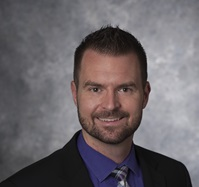
- Assistant Professor at the University of Padova
- Psicostat core team member
![]()
- Memory & learning lab member
What I do
- SEB skills
- Measurement
- Change goals
- Learning and achievement
- Methodology
- Meta-research
- Psychometrics
- Statistical methods
- Geographical psychology
A definition (again)
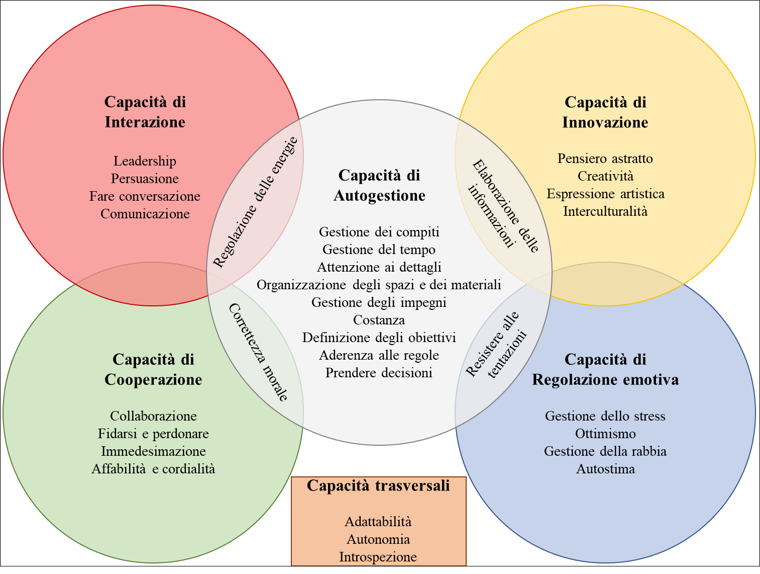
Social, emotional, and behavioral skills represent the abilities to establish and maintain social relationships, regulate emotions, and effectively manage behaviors toward goals and learning and mainly fall into five areas1:
- Self-management skills
- Social engagement skills
- Cooperation skills
- Innovation skills
- Emotional resilience skills
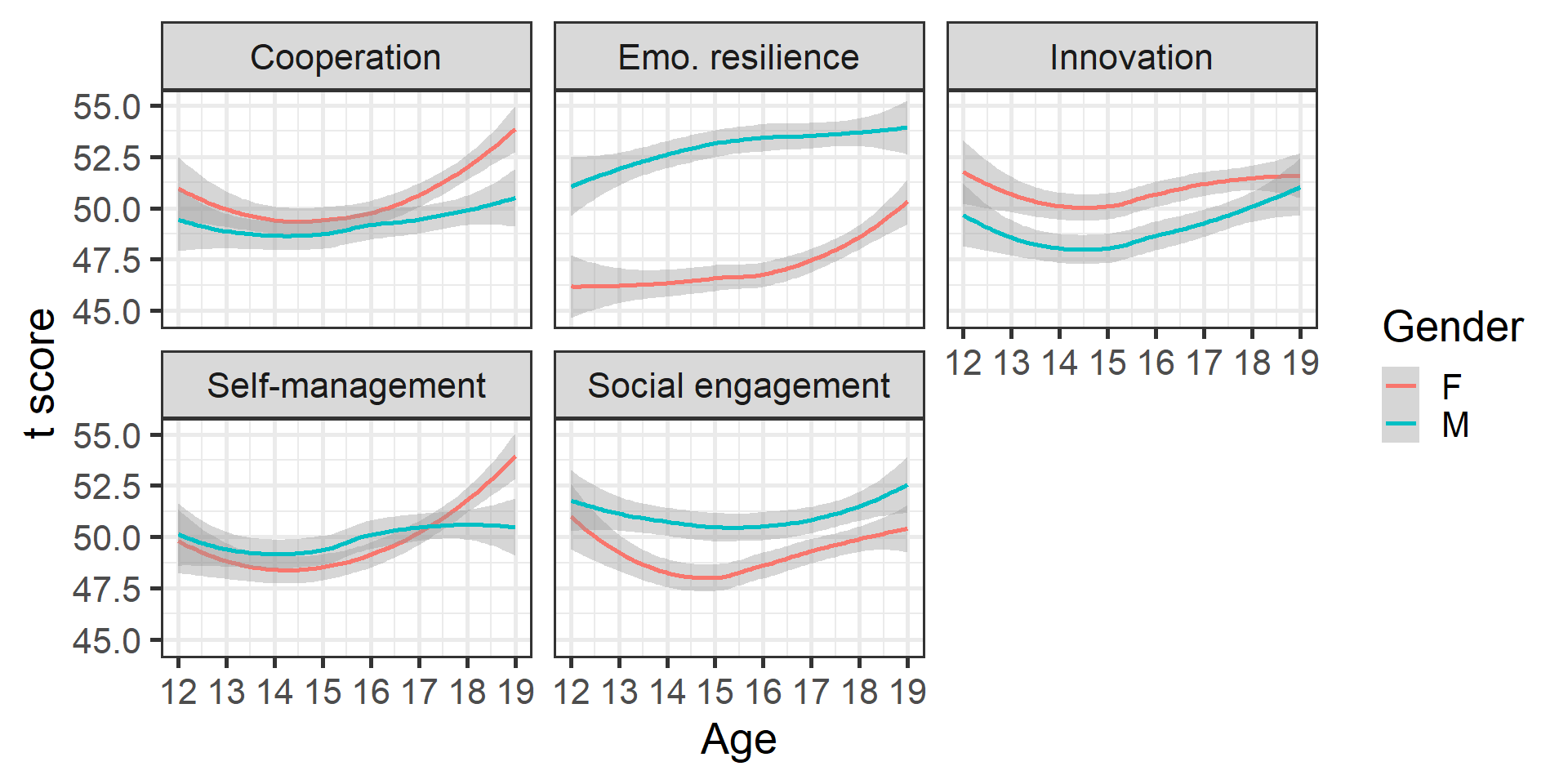
Results
A focus on self-reported leadership
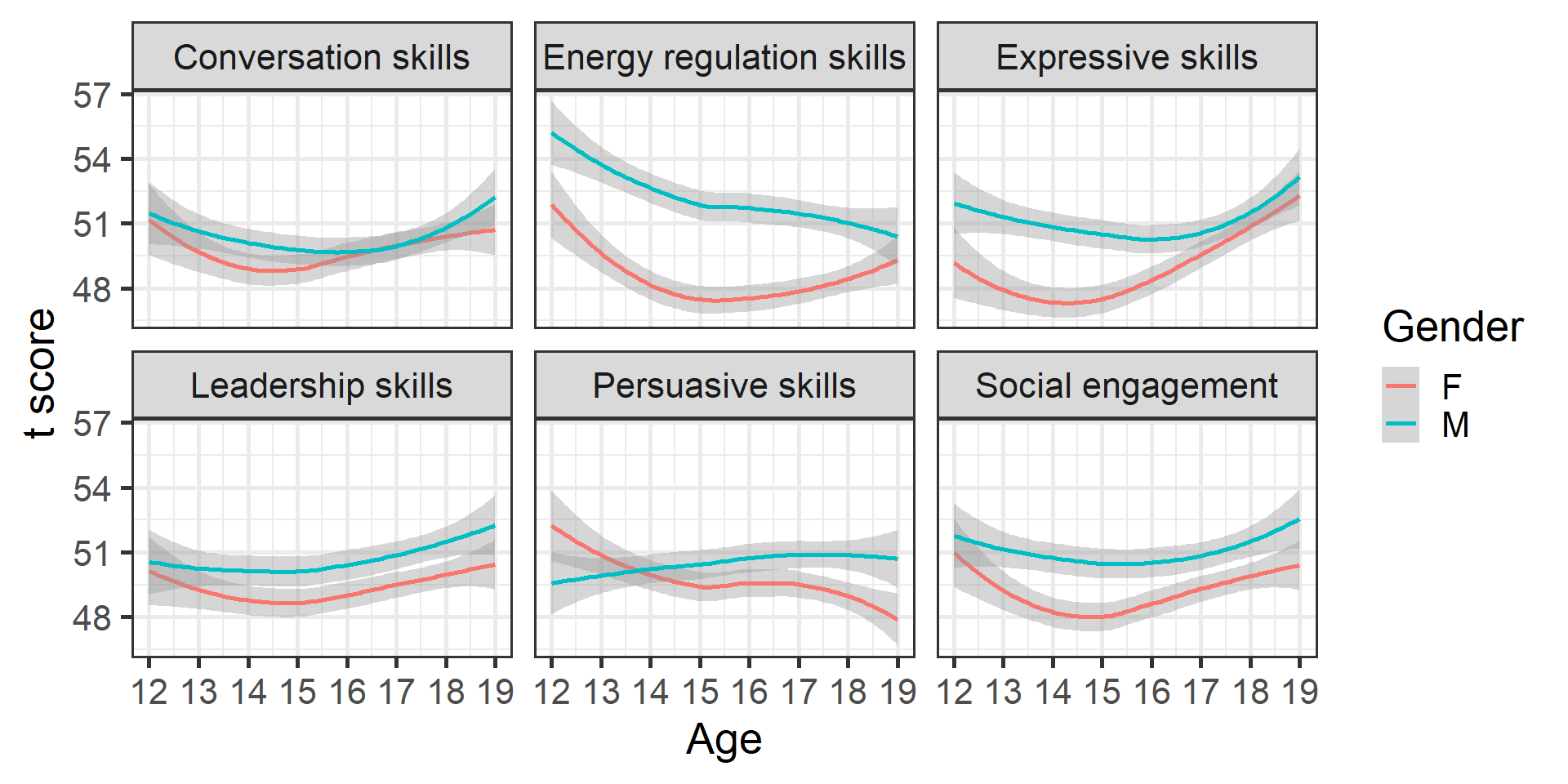
Method and people
A brief definition of the trait/skill: “Whether someone ‘tend to behave’/‘is capable of behaving’ in a social, assertive, and energetic way[, when they want or need to do so]”
- Amount: “How much would you like to increase your level of [skill/trait name]?”
- Feasibility: “How much do you think you could increase your level of [skill/trait name] during the next year, if you tried to do so?”


A first study on college students3 ![]()
![]()
![]()
![]()


- N = 264 (F = 184, IT = 276, US = 252)
- Age = 20.83 (sd = 2.68 [18; 46])
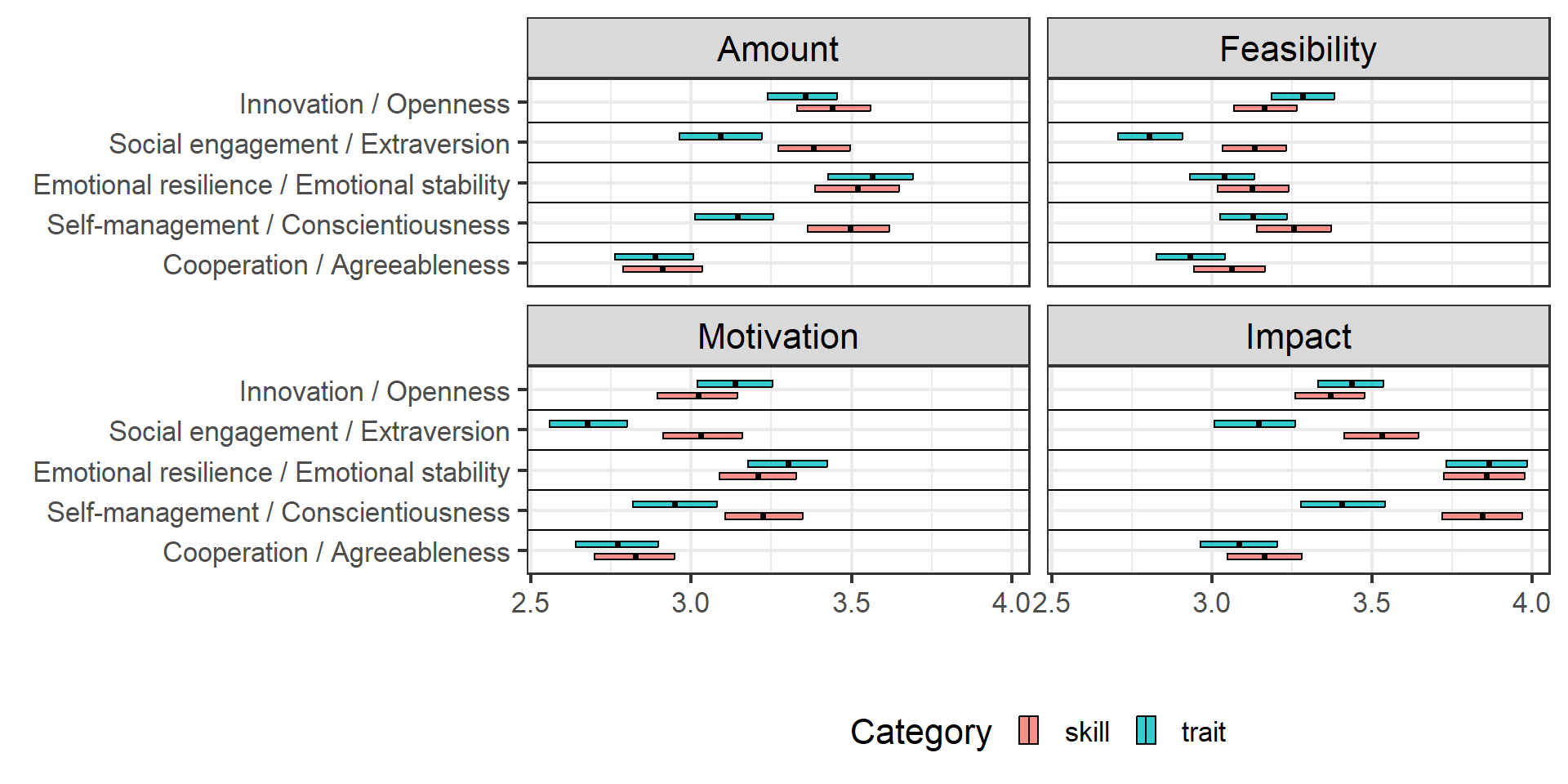
Feraco, Hudson & Soto (2025) Personality and Individual DifferencesMoving toward adolescents - Students, teachers, and parents opinions ![]()
![]()
![]()
![]()
| Students | Parents | Teachers | |
|---|---|---|---|
| N | 676 | 460 | 704 |
| Females | 424 | 293 | 430 |
| Males | 250 | 167 | 265 |
| Age | 16.75 (1.53) | 50.19 (5.78) | 38.57 (11.37) |
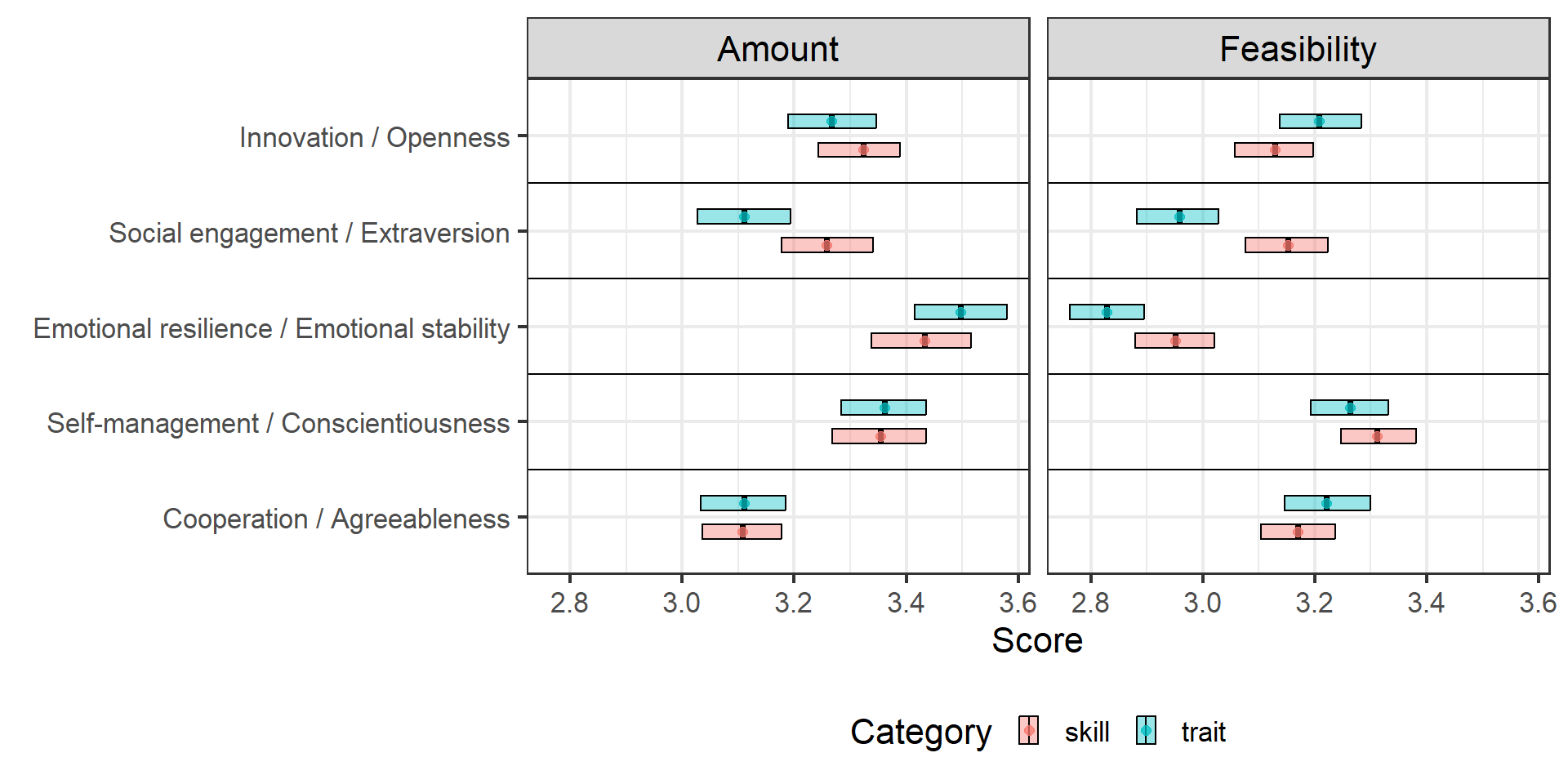
What are the opinions of high school students about changing their traits or skills?
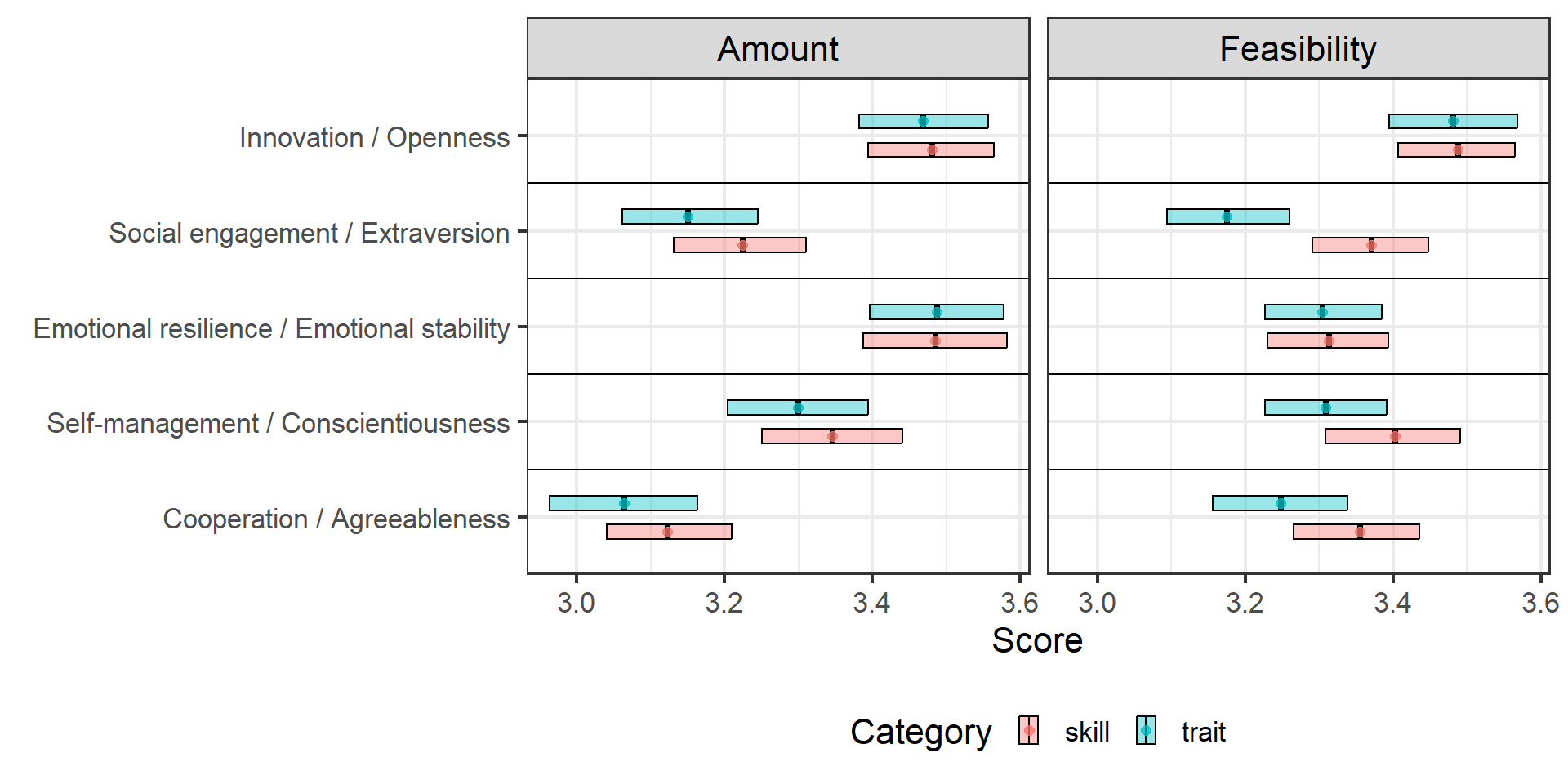
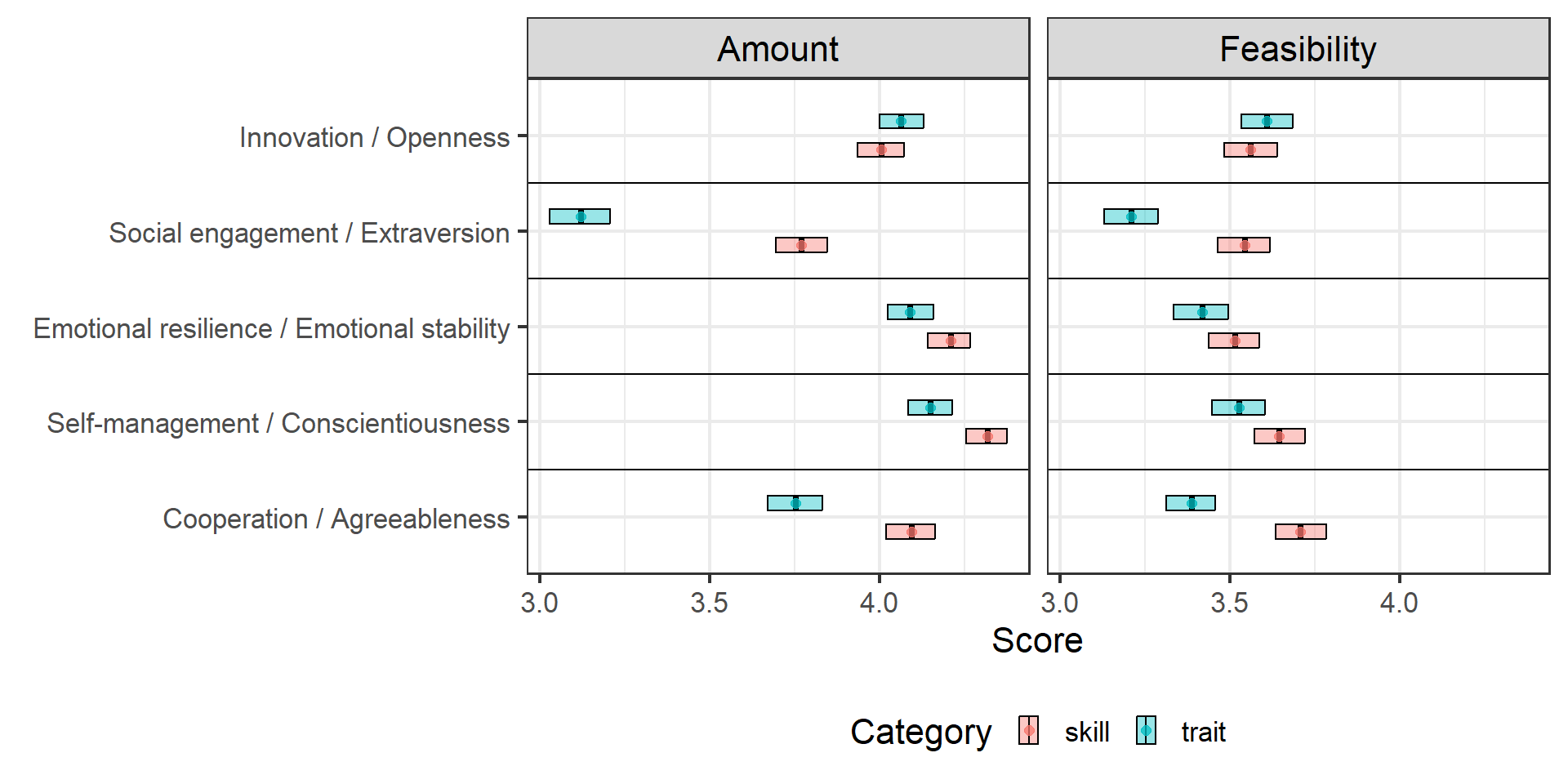
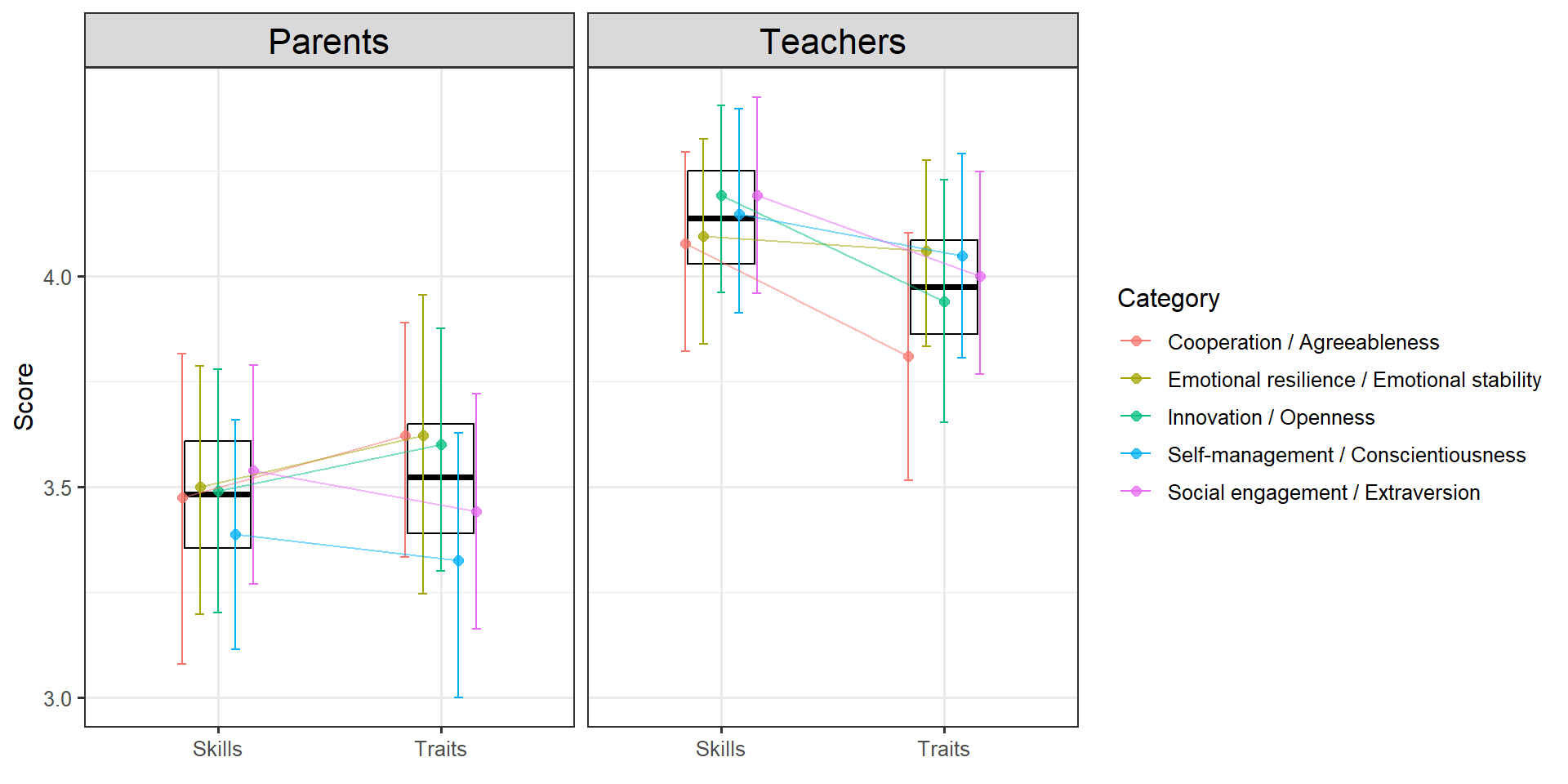
What about their parents’ and teachers’ opinion about changing their students/children traits and skills?
Feraco, Jach ... & Soto (in prep)…the students
…their parents
…and their teachers
…what if we ask them whether they want to participate in a workshop?
More about teachers ![]()
![]()
![]()
![]()
| Variable | |
|---|---|
| N (Females) | 1480 (1270) |
| Age (Mean) | 49.12 (9.72) |
| Experience (Mean) | 17.44 (11.27) |
| Class Time (Mean) | 10.89 (7.73) |
| Grade: Primary (2) | 518 |
| Grade: Middle (3) | 364 |
| Grade: High (4) | 432 |
| Role: Support (1) | 374 |
| Role: Curricular (2) | 1016 |
Pellegrino ... & Feraco (in prep)…results
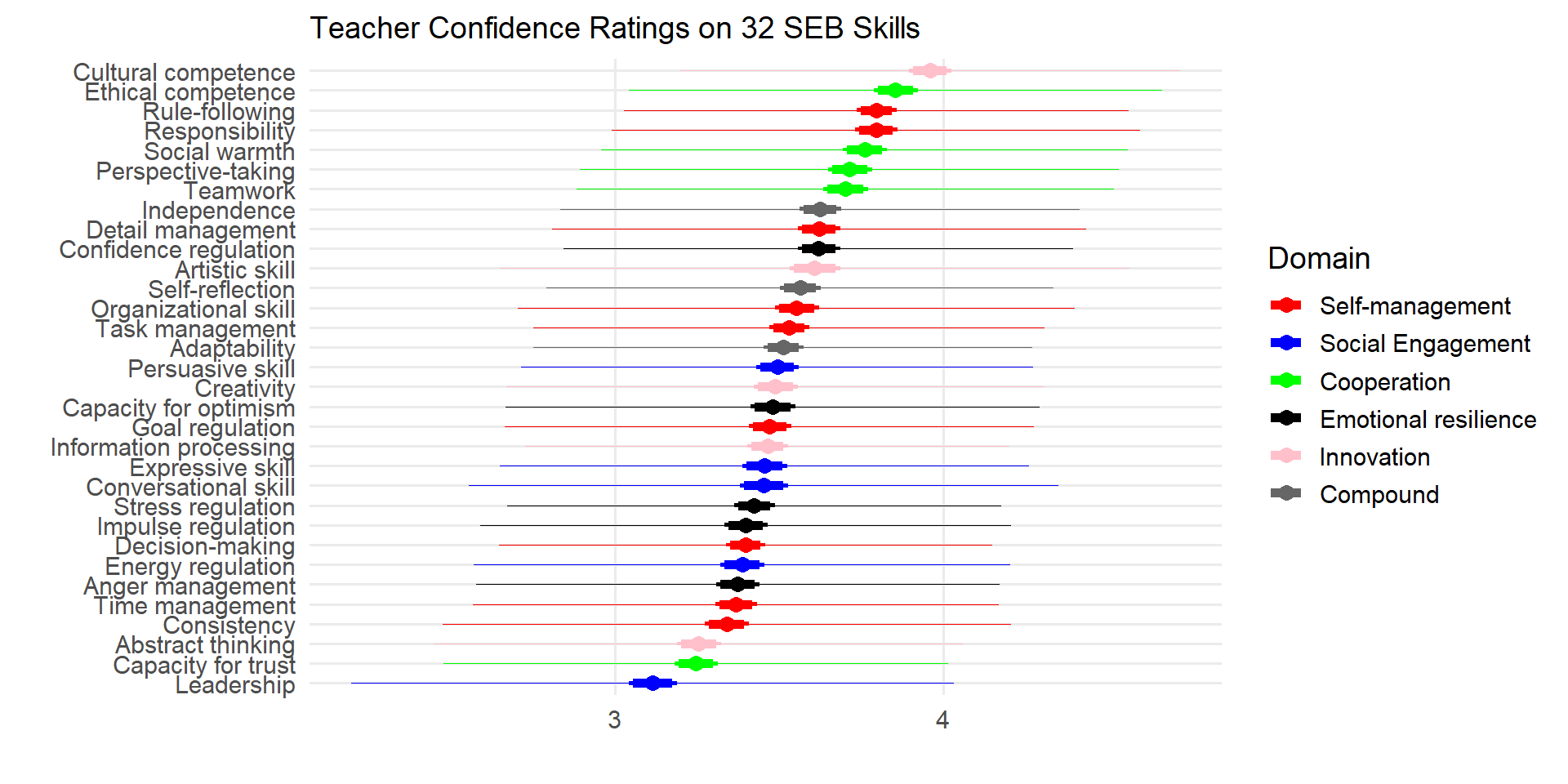
All teachers read definitions of the 20 random SEB skills, and reported about their perceived confidence in teaching it to their students.
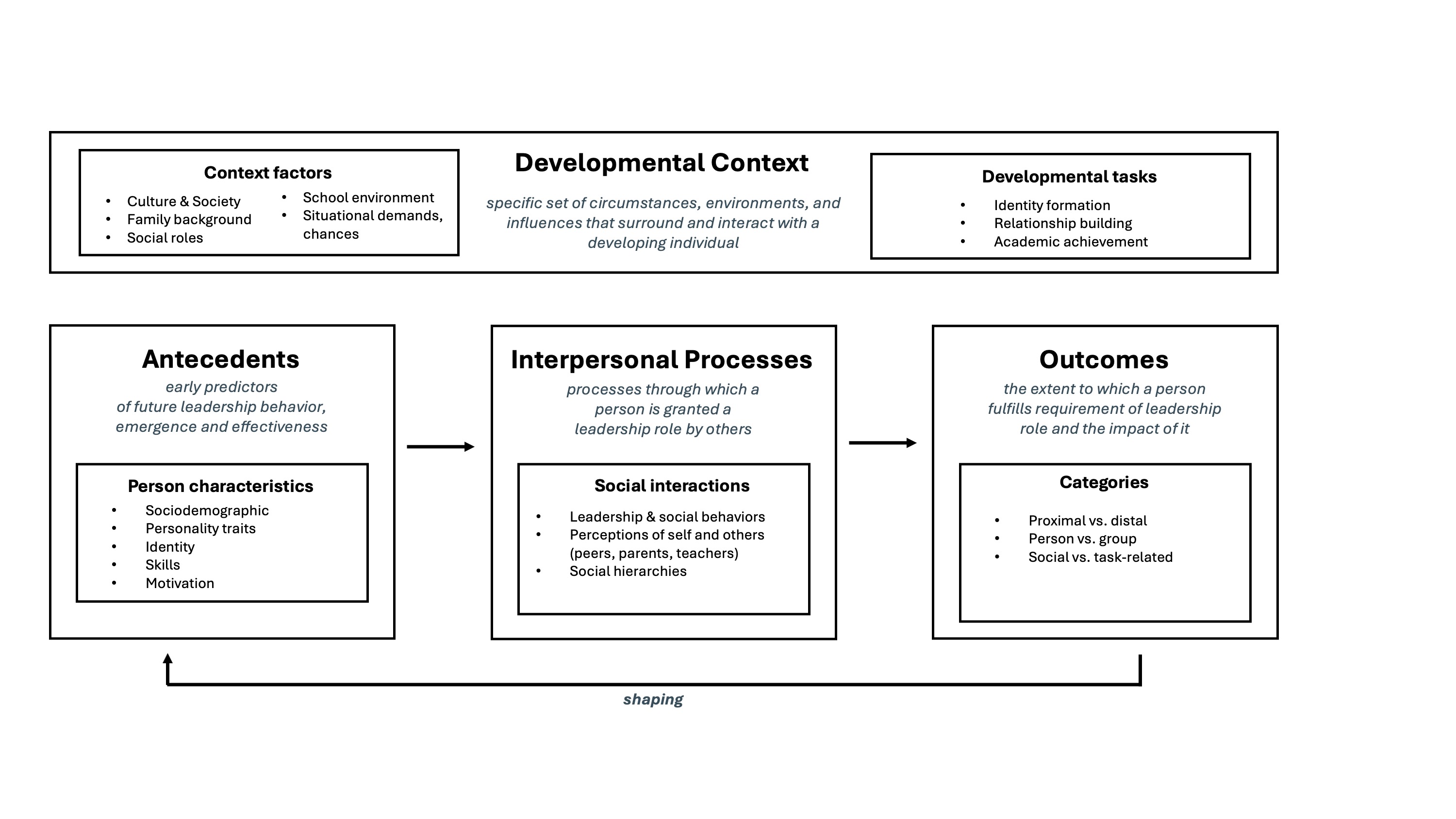
Back to the seed questions
Thank you all!
Free slides here!
Data, code, and materials needed to reproduce these slides are available at: https://github.com/feracotommaso/Slides/
Social, emotional, and behavioral skills
Definition
Normative change
Change goals